Iguazu Falls; Where Two Countries Share One Wonder
Iguazu Falls, Brazil
There are places you visit and forget within a few months. And then there are places that stay somewhere in your chest, quietly, for years. Iguazu Falls is the second kind.
I visited Iguazu about ten years ago, crossing between Brazil and Argentina to see the falls from both sides. Even now, when I think about it, I can hear the roar.
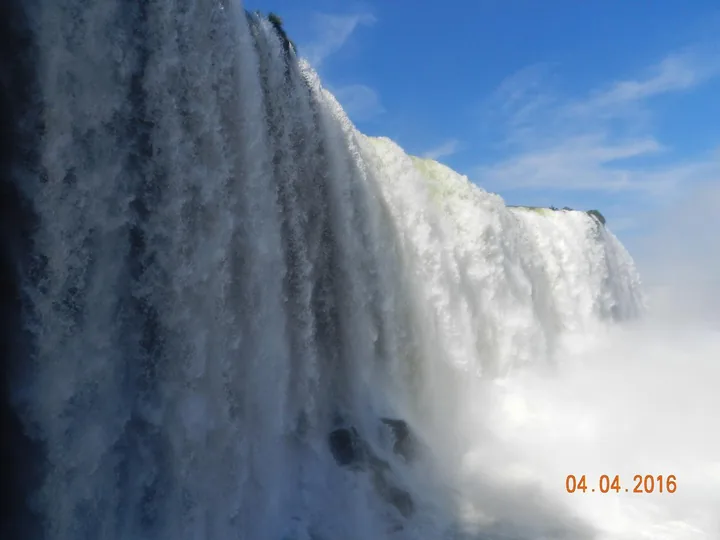
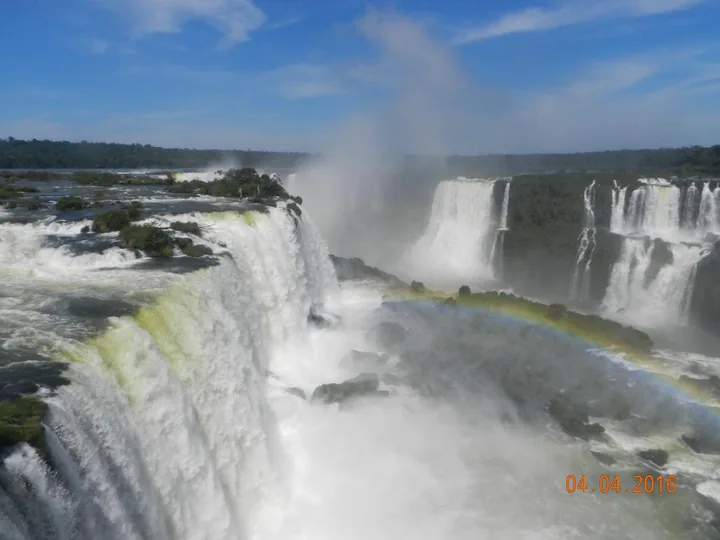
The scale is hard to explain. Nearly 275 individual waterfalls stretching across almost 3 kilometres of the Iguazu River, sitting on the border between two countries, surrounded by dense rainforest on every side. No single photograph captures it. Not even close. Around this, both nations have developed airports, hotels, transport systems, nature tourism, conservation infrastructure, and thousands of livelihoods.
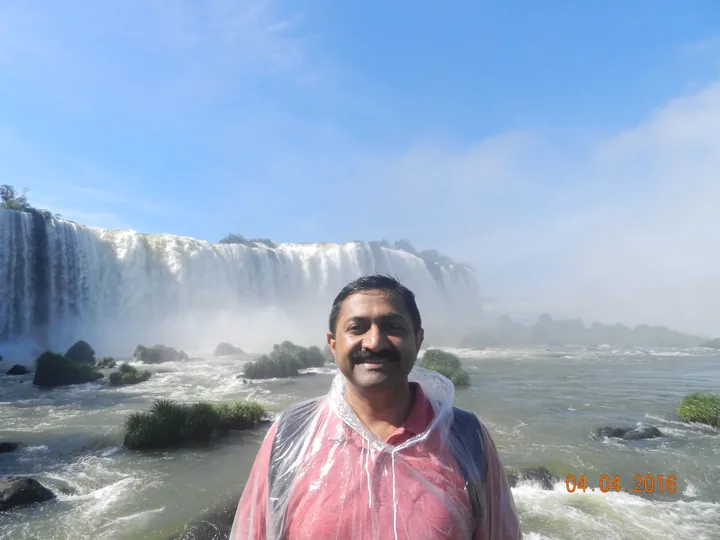
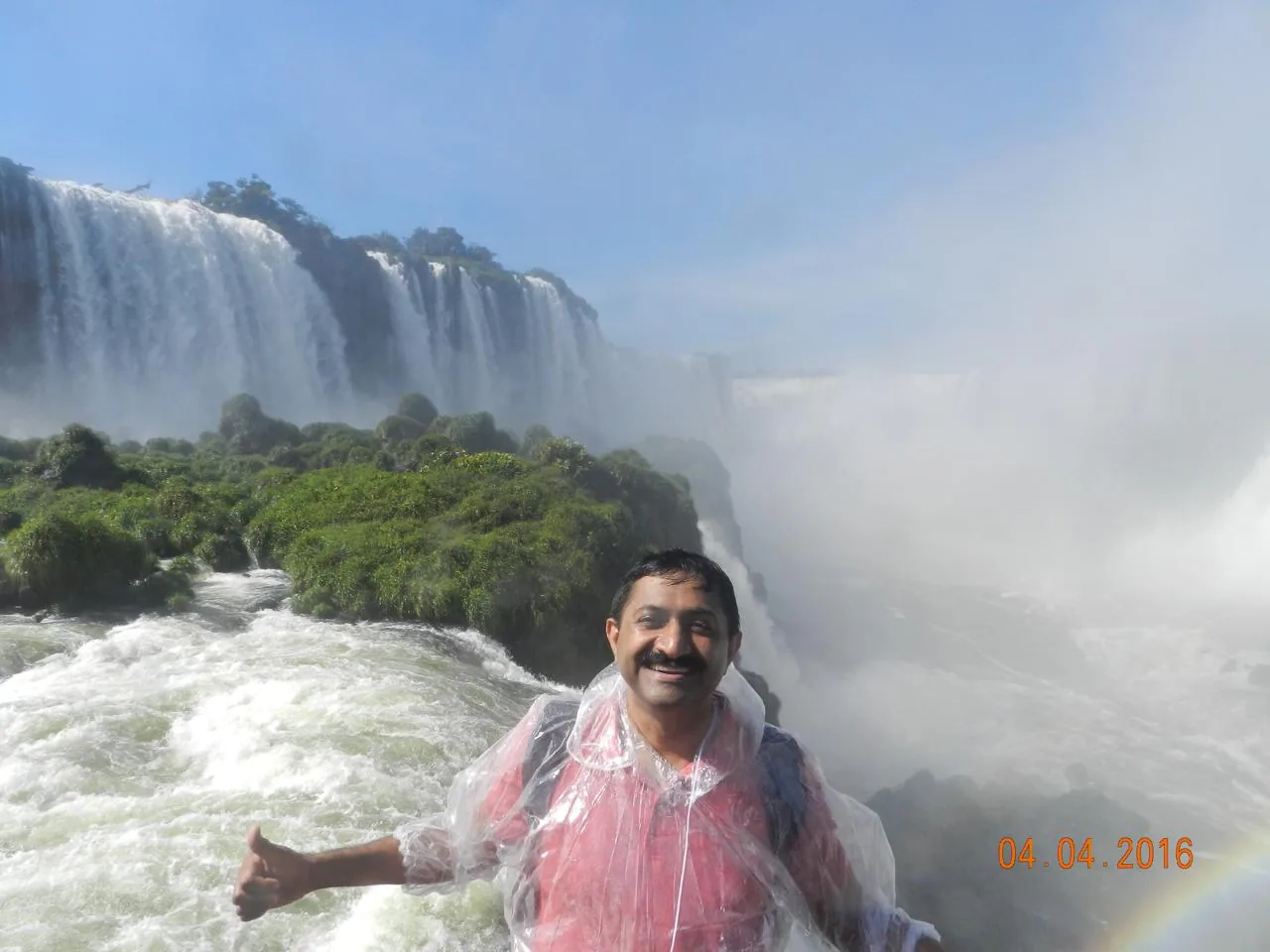
From the Brazilian side, you get the wide view -- the full horseshoe of falling water spread out in front of you, the mist rising, the constant thunder. From the Argentine side, you walk right into it. Elevated walkways, built carefully into the landscape, take you to platforms almost inside the falls. You stand there with water crashing all around you, soaked, slightly overwhelmed, and completely alive.
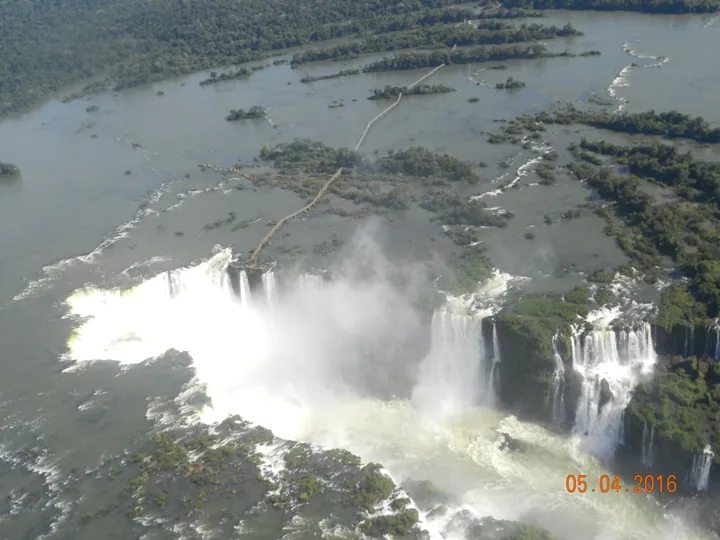
The helicopter ride above it changed everything again. From the air, you finally understand the size of what you are looking at. The river, the forest, the falls -- it all comes together into something that looks almost designed, except no one designed it.
What impressed me beyond the falls itself was how both countries have approached the infrastructure around it. The walkways, the viewing platforms, the access routes -- they are built to serve the visitor without getting in the way of the landscape. Materials blend into the surroundings. Paths follow the natural contours. You are guided toward the best views without ever feeling like you are inside a theme park. It is a quiet kind of architecture, one that knows its job is to step aside.
Brazil and Argentina do not always agree on everything. But at Iguazu, they seem to have arrived at a shared understanding -- that the best thing they can do for this place is protect it, open it carefully, and let it speak for itself.
UNESCO named it a World Heritage Site, and standing there you understand why immediately. This is not just a waterfall. It is one of those rare places where nature shows you its full range -- power, beauty, scale, and stillness -- all at once.
Ten years later, I still think it is one of the most extraordinary things I have ever seen. If you ever get the chance to go, take both sides. Take the walkway. Take the helicopter ride if you can. And then just stand there for a while and let it land.
Some places deserve more than a quick visit. Iguazu is one of them.